In regions prone to earthquakes, the threat of structural damage and collapse is a very real concern. Buildings are vulnerable to the powerful forces of seismic activity, and the consequences of an earthquake can be devastating. This is why seismic bracing systems are essential in protecting structures and ensuring the safety of occupants.
seismic braces, also known as seismic bracing, are devices designed to strengthen buildings and prevent them from collapsing during an earthquake. These braces are typically made of materials such as steel or reinforced concrete and are installed throughout a building to provide additional support and stability.
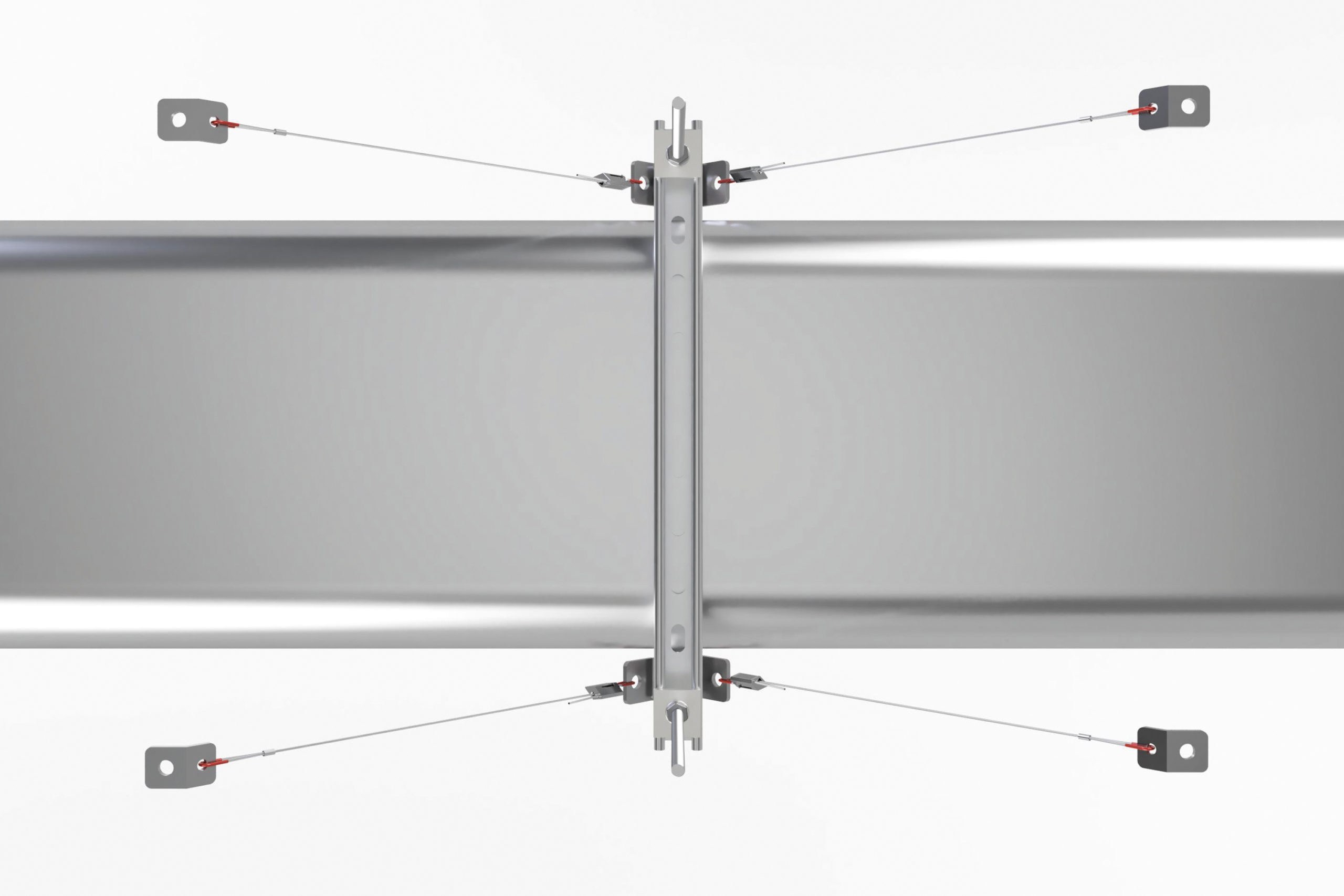
One of the key benefits of seismic braces is their ability to absorb and dissipate the energy generated by an earthquake. When the ground shakes, the braces act as shock absorbers, reducing the impact of the seismic forces on the building structure. By distributing the energy throughout the building, seismic braces help to prevent concentrated points of stress that can lead to collapse.
In addition to absorbing energy, seismic braces also help to regulate the movement of a building during an earthquake. By connecting different parts of the structure together, the braces ensure that the building moves as a single unit, rather than allowing individual components to shift and potentially fail. This coordinated movement helps to minimize damage and increase the overall stability of the building.
seismic braces are particularly important for tall buildings and structures with flexible materials, such as unreinforced masonry. These types of buildings are more susceptible to the lateral forces of an earthquake, which can cause them to sway and deform. seismic braces help to counteract these forces and ensure that the building remains intact in the face of seismic activity.
Another benefit of seismic braces is their ability to protect not only the building itself, but also its occupants. By preventing collapse and reducing damage, these devices help to create a safer environment for people inside the building during an earthquake. This can significantly reduce the risk of injury or fatality and increase the chances of survival for those caught in a seismic event.
In addition to providing structural support, seismic braces can also help to mitigate the financial impact of an earthquake. The cost of repairing a building that has been damaged in an earthquake can be substantial, and in some cases, the damage may be irreparable. By investing in seismic bracing systems, building owners can protect their property and avoid costly repairs or even total loss in the event of an earthquake.
While seismic braces are an essential component of earthquake-resistant building design, they are not a one-size-fits-all solution. The effectiveness of a seismic bracing system depends on a number of factors, including the type of building, its location, and the level of seismic activity in the area. It is important for building owners and engineers to work together to determine the most appropriate seismic bracing system for a particular structure and to ensure that it is properly installed and maintained.
In conclusion, seismic braces play a crucial role in protecting buildings and their occupants from the destructive forces of earthquakes. These devices help to absorb energy, regulate movement, and reduce damage, ultimately increasing the safety and stability of a building during a seismic event. Investing in seismic bracing systems is a wise decision for building owners in earthquake-prone areas, as it can help to mitigate the risks and consequences of seismic activity. By ensuring that buildings are equipped with the proper seismic bracing, we can help to prevent the widespread destruction and loss of life that can occur during earthquakes.